

2025 A Year in Review
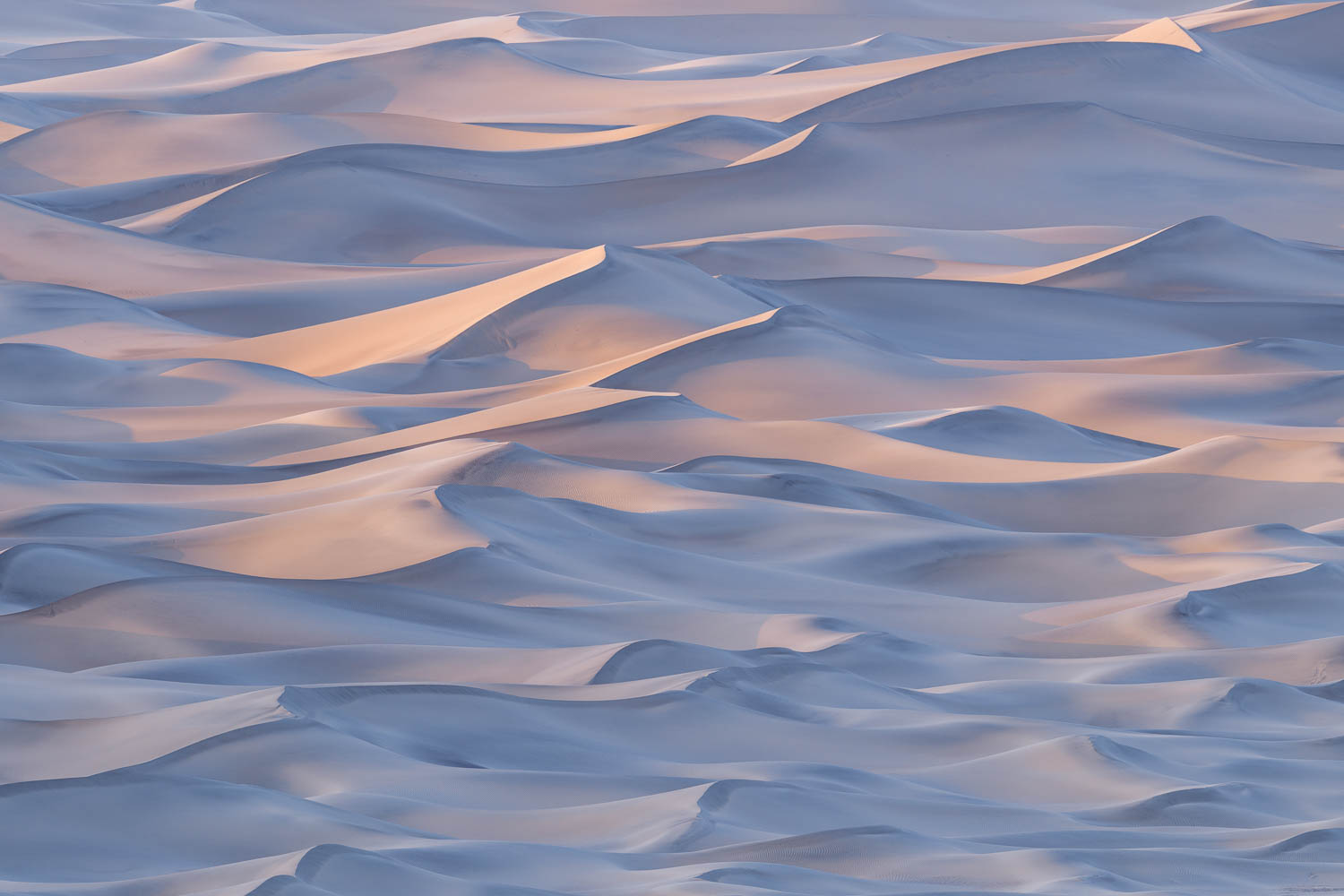
Death Valley National Park
For this year’s retrospective, I will share twenty five (how fitting) images from 2025 with a few thoughts behind each image. Kicking it off is the above image of the Mesquite Sand Dunes in Death Valley National Park. I have revisited this vantage point at least half a dozen times prior to making this image. Each time, image quality issues kept me wanting more. Was it lens sharpness? Was it atmospheric distortion? Probably. Images were soft, hazy, and just not “perfect”. Not that perfection is something to strive for, but certainly improvement. On back-to-back visits, one sunset and the following sunrise, the atmosphere cooperated. No wind, no shimmer, just perfect. A recent wind storm also wiped all the footprints away. A few days prior to this image being made, I bet you couldn’t even see the dunes from this spot. Crazy the difference a few days make. Revisiting locations again and again, yeah, that has value. A side note: with modern cameras, the old adage of “exposing to the right” often gets ignored or forgotten. But with no fear of longer shutter speeds and the relatively low contrast in this scene, I was able to extend my shutter to several seconds with no detriment to image quality. The brighter files did help with processing. Do with that info what you will, but I was pleasantly surprised.
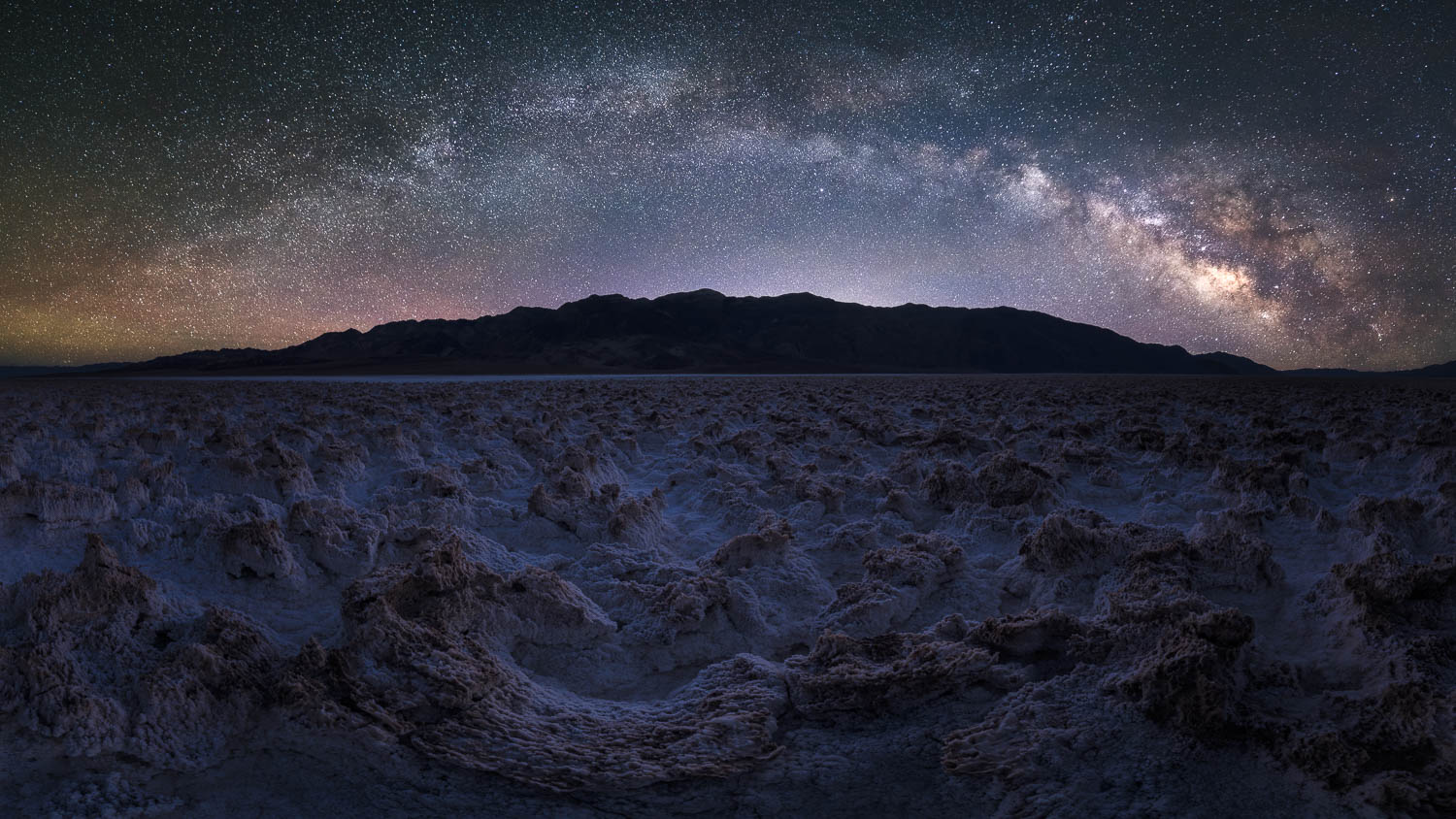
This panorama from the Devil’s Golf Course area of Death Valley consistently brings me a sense of accomplishment, self satisfaction one might say. I first made a milky way panorama in early 2020. Fast forward five years, and here I was making another (actually two this trip). Part of the long hiatus is simply work. Or better stated, my resistance to work. I recalled an immense amount of time sitting at the computer editing that 2020 panorama. Stitching the sky, stitching the land, and finally compositing the two together. I never used so much warping to fit the sky onto the land. I was not a happy camper. So what did I do? I avoided creating images like this. But in 2025, I accepted the challenge, and you know what? It was still a pain in the butt! Haha! But I know why. And I enjoyed the final image so much more knowing that moving forward it will be so much easier. Pushing through personal road blocks still happens even after all these years.
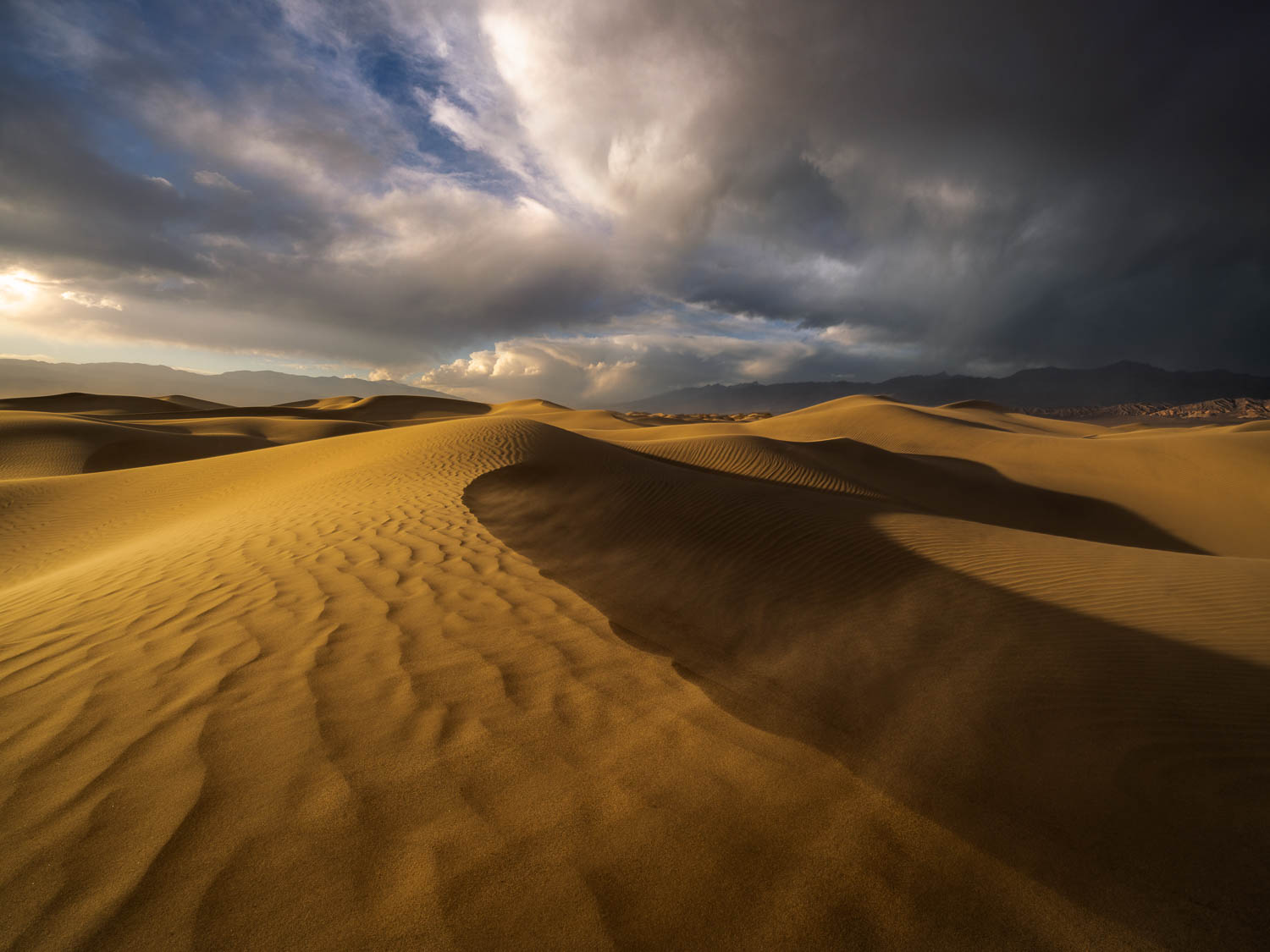
The next two images are both from the Mesquite Sand Dunes. During a wind event and incoming storm, I ventured out into the dunes alone, fully wrapped up with face coverings and googles to keep the sand out. I brought two cameras to reduce or eliminate lens changes. I recall thinking, I probably won’t use my wide angle lens, so I mounted my mid-range and telephoto. Quickly, I realized the mid-range needed to go. The sky was majestic, the sweeping sands taking flight over dune ridges just begged for the wide perspective. Of course, changing lenses in the wind meant a risk, and yes, some weird squiggly dust thing made it into most of my images. Oops. This image encapsulated the experience for me. I was riding a high that evening. The light, the conditions, the location, it all came together.
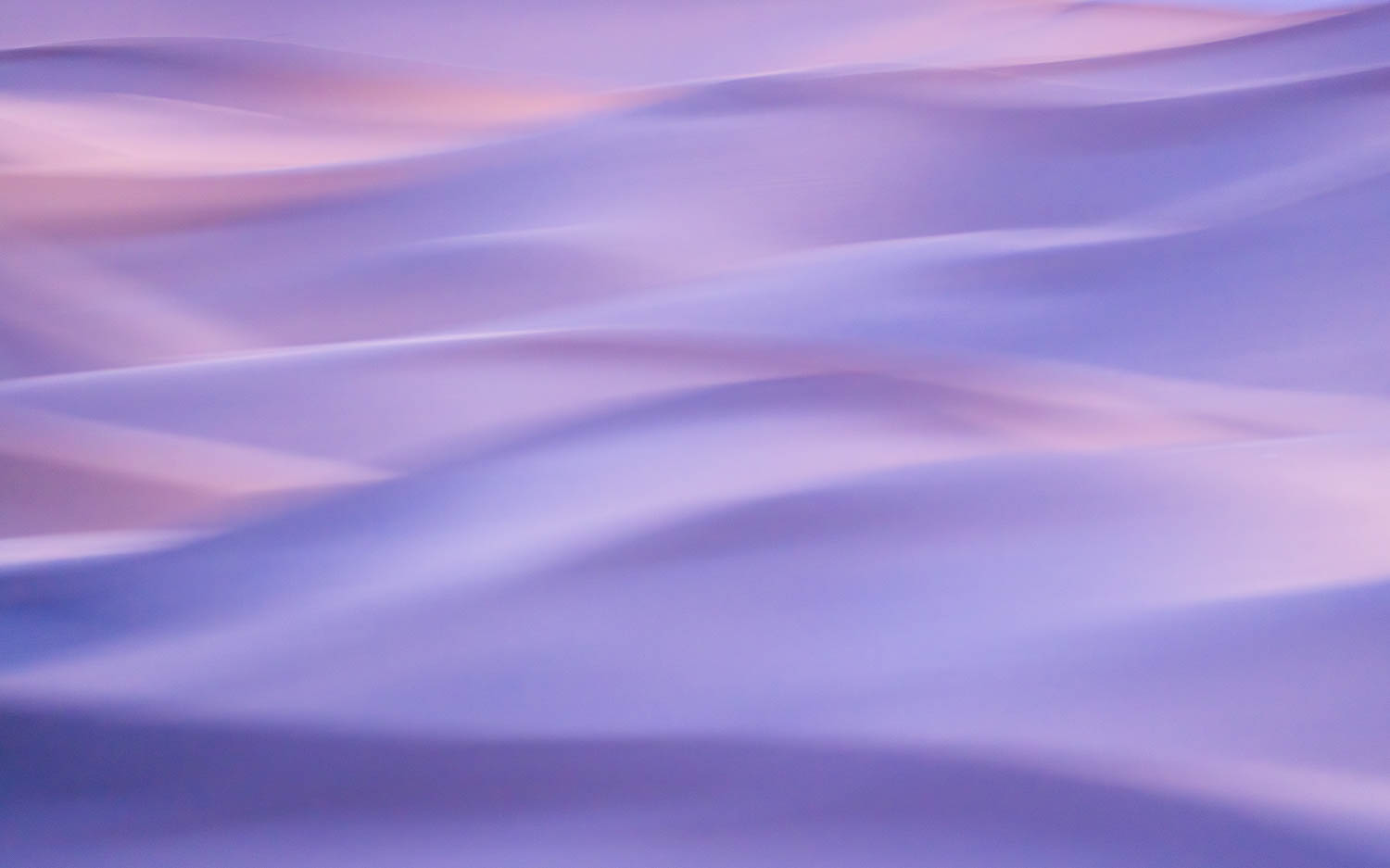
The next image was created a few days later as my workshop group was leaving the dunes and heading back to the cars. One of my clients needed a little extra time to rest, and the twilight glow on the dunes behind us was simply glowing. The slight wind, the low light, the long focal length and were a challenge to capture a realistic, literal style image. I dropped the shutter speed a tad, and started to experiment with a little intentional panning movement. Encouraged by the results, I panned a few more frames before we continued our trek back to the cars. I’m sure someone, somewhere has ICM style photos of dunes, but I haven’t personally seen them (yet). This lit a little spark under me to try this technique in more places than I have previously. For that reason, I included this image since it expanded my creativity, even if just a little.
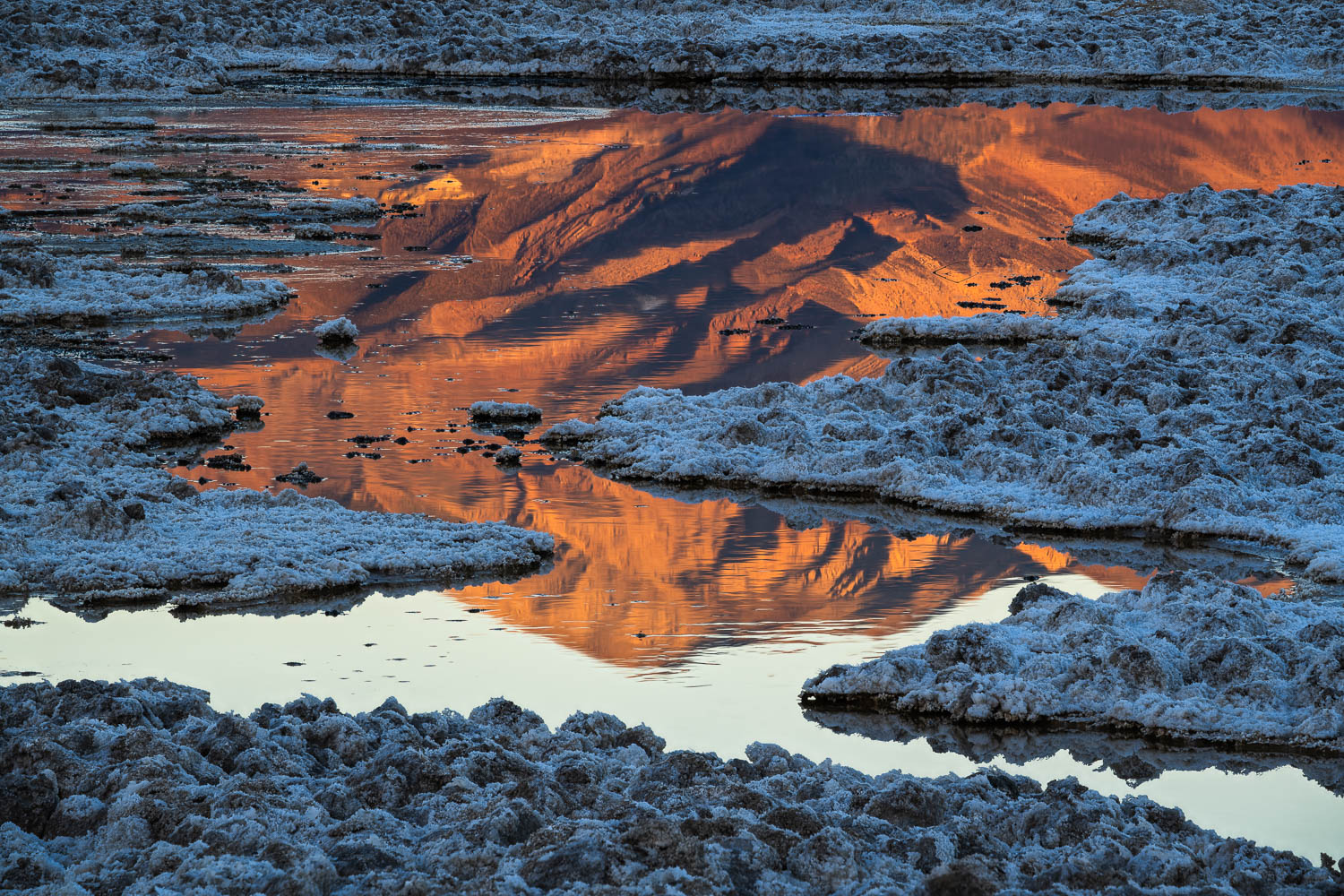
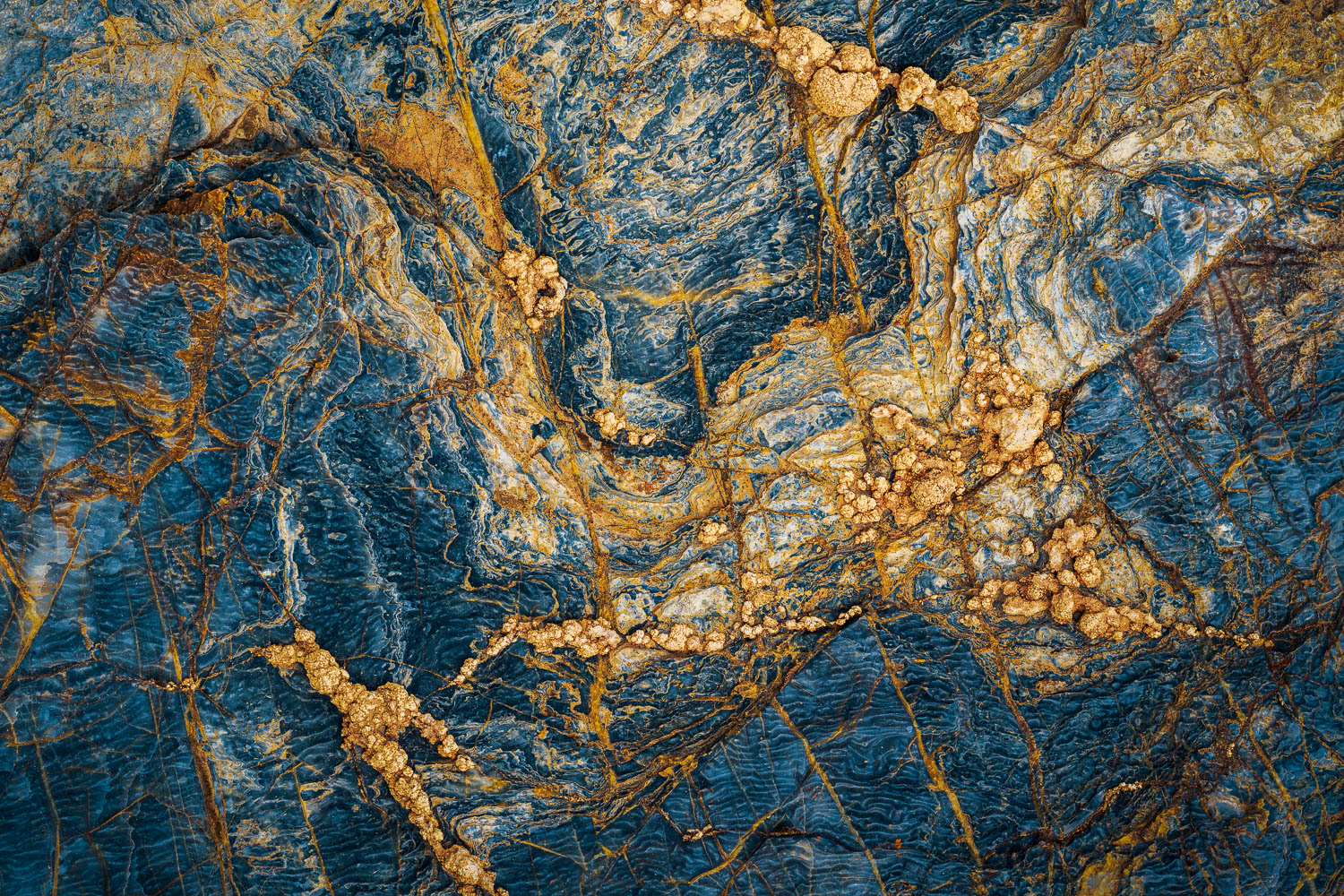
These last two images from Death Valley both made the cut. Maybe not because of their portfolio worthiness, but more so because they represent the rewards of exploration. Running workshops to this area since 2011 and having visited since 2009, I am often humbled by just how much I don’t know. Death Valley National Park is huge, 3.4 million acres and 5,270 square miles huge. The mountain reflection framed with salt formations was just off the road near Mormon Point. In 2026, this scene no longer exists. A testament to the ephemeral nature of the salt flats. The other image is a macro of rock formations found near the Keane Wonder Mine, a place I had never visited until 2025. I recall starting the trail and immediately heading back to the car in order to grab my macro lens. The image reignited my interest in macro images. While once a staple in my underwater photography days, it has largely gone neglected in my landscapes. But exploring these rock patterns gave me a little creative juice.
Olympic National Park
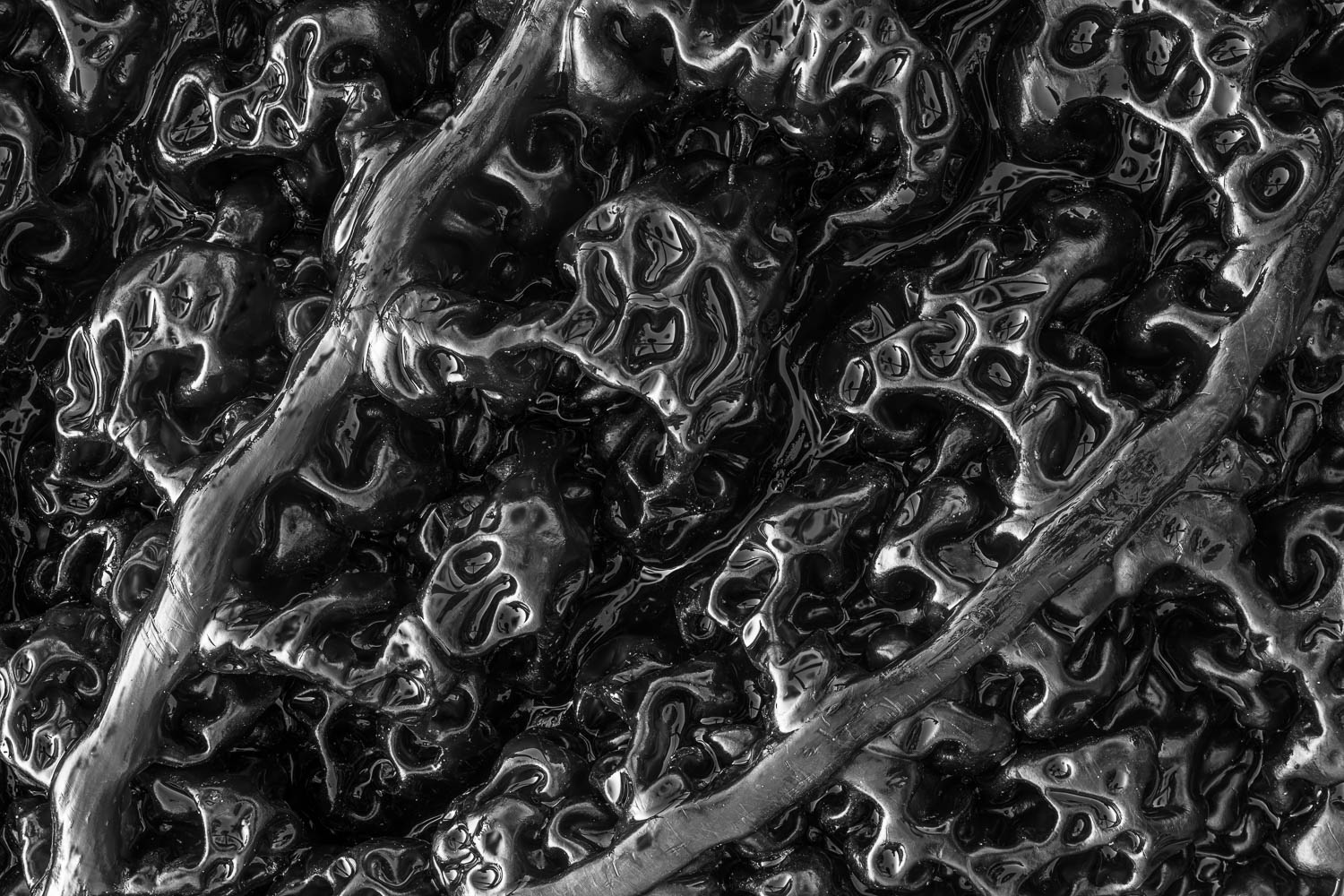
Despite its proximity, I only made three trips to Olympic National Park in 2025. I’m hoping to change that moving forward. Similar to Death Valley, most of these images represent a deepening relationship with the landscapes found here. The image below was spent along the northern coast of the peninsula. Visiting a new area, I knew what to expect from a grand scale. Plenty of images exist of the big picture, but once on location, so much more revealed itself with the low tide. I stumbled across this piece of algae with patterns I have never seen before. Fully committed, I got my macro lens out, something I might not have brought a year ago, but I was only two months removed from my macro awakening, so yeah, I had it. I occasionally glanced over my shoulder at the sunset to see if I was missing anything, but remained dedicated to this little kelp frond.
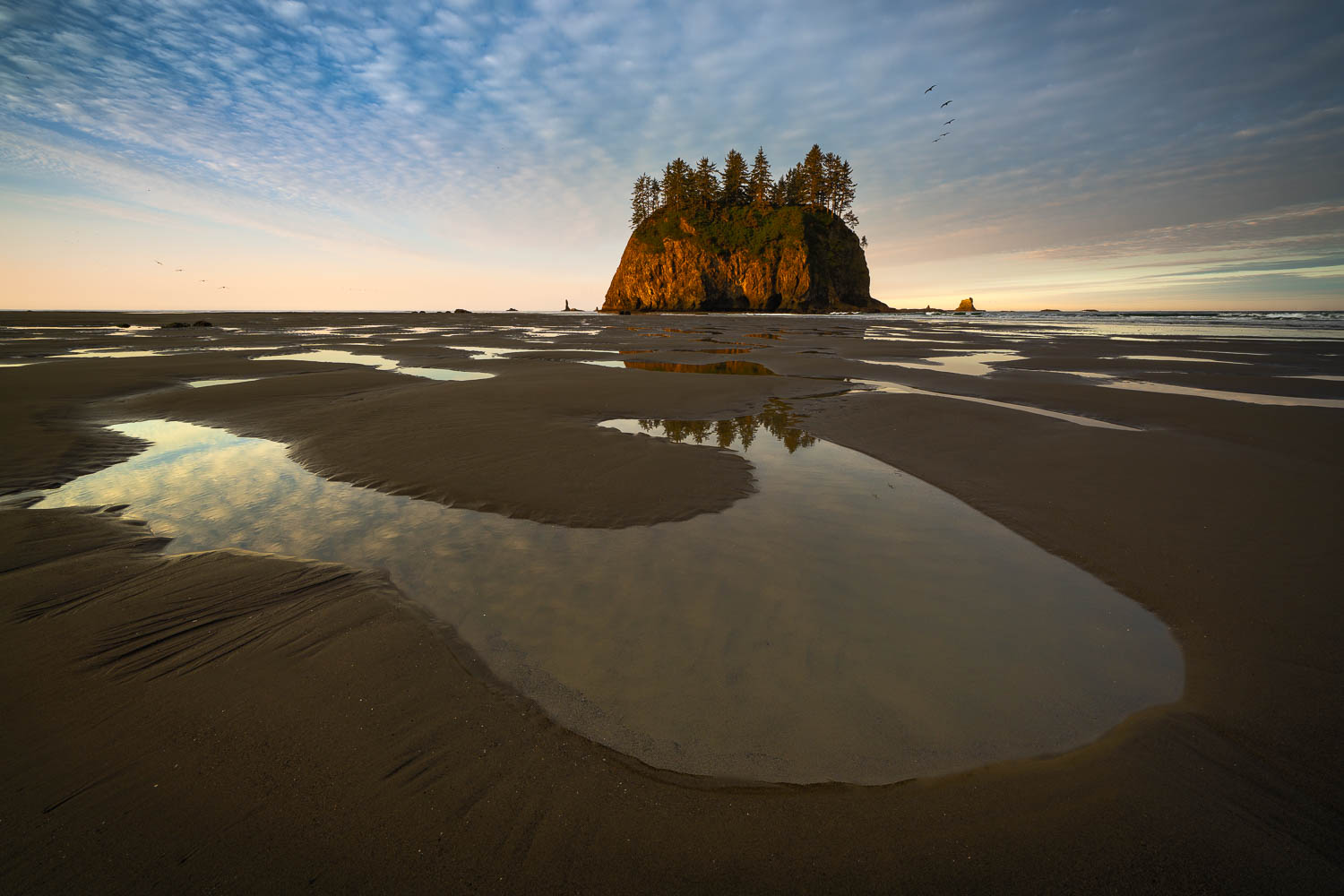
This wide angle image from Second Beach was made during the Out of Olympic conference in October. The myriad pools left behind by a strong negative tide were quite the surprise and visual feast! Typically, I like to have a middle tide when visiting here to get wave action on the few scattered rocks on the otherwise sandy beach. Little did I know such gems would be uncovered by such a low tide. Finding wide angle compositions that convey depth, include some visual path, and aren’t overly complicated can be a challenge, but this scene checked all the boxes of what I like about wide angle photography.
This wide angle image from Second Beach was made during the Out of Olympic conference in October. The myriad pools left behind by a strong negative tide were quite the surprise and visual feast! Typically, I like to have a middle tide when visiting here to get wave action on the few scattered rocks on the otherwise sandy beach. Little did I know such gems would be uncovered by such a low tide. Finding wide angle compositions that convey depth, include some visual path, and aren’t overly complicated can be a challenge, but this scene checked all the boxes of what I like about wide angle photography.
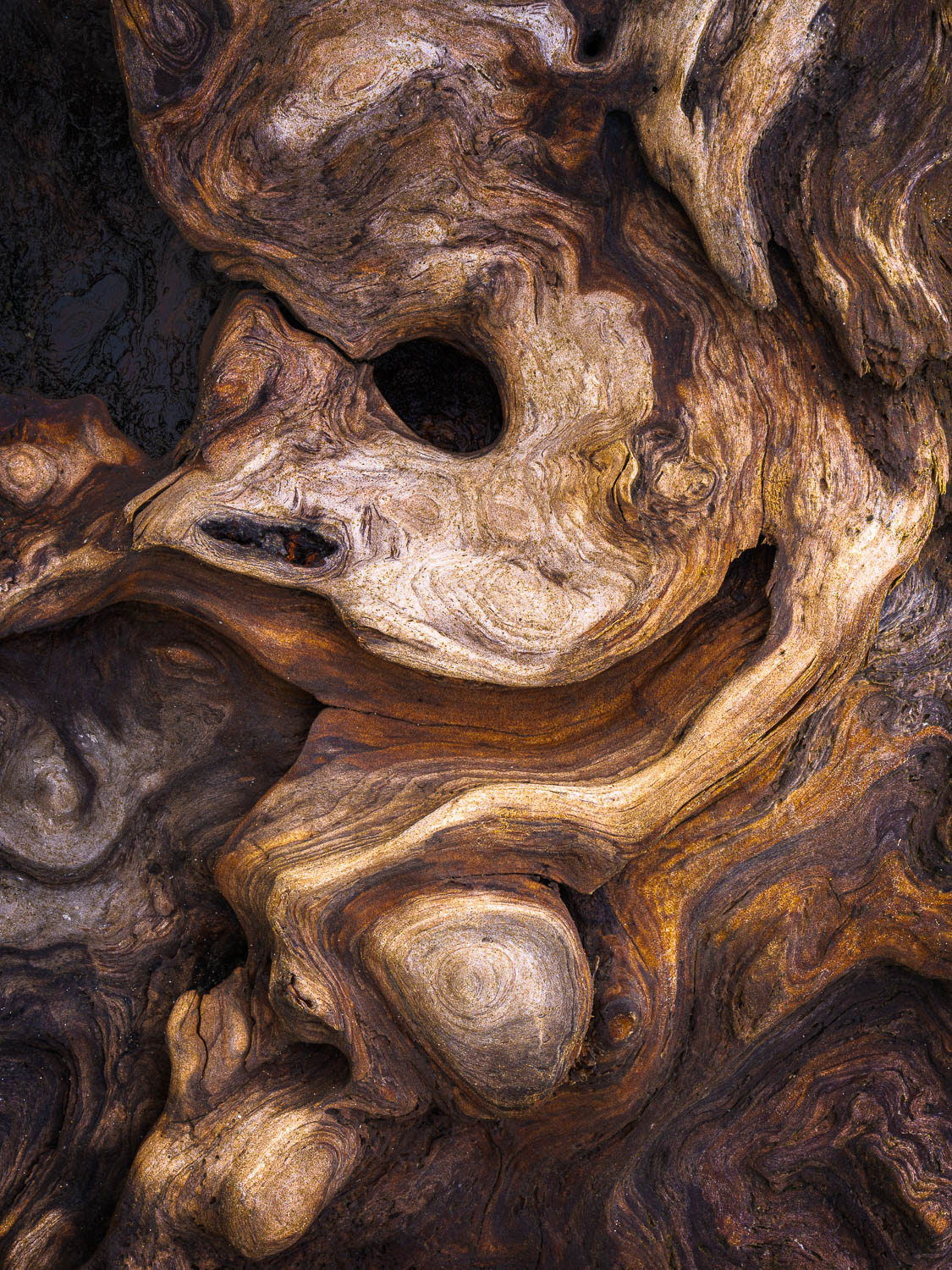
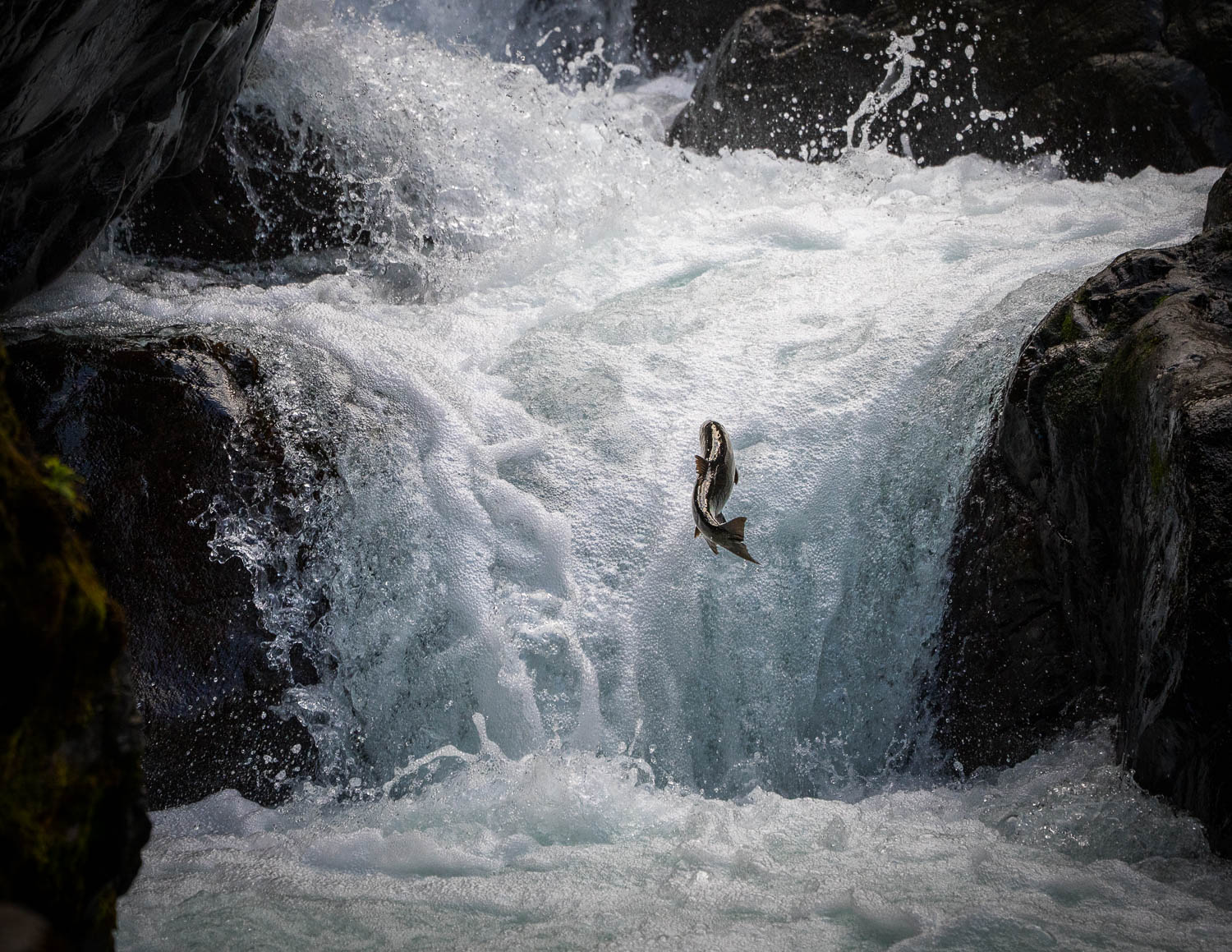
And these last two images from Olympic stood out. The original vision of the wood burl composition was just shape and flow. It wasn’t until I got home that I saw the “Jester” face. How could I miss that in the field?!?! I don’t know, but I’m glad I made the photo. This burl was quite large and I do wonder if it will be there on my next visit or if the ocean will move it miles away only to be found by someone else. My workshops to Olympic National Park have mostly been held in spring. The salmon cascades in Sol Duc Valley have always been quiet. But this past fall, they were here in large numbers, making their way up river. Embracing the faster shutter speed out of necessity to freeze the leaping salmon, I really liked the dark framing and just enough of the path this lone fish must take to tell the story of how this place got its name.
Palouse
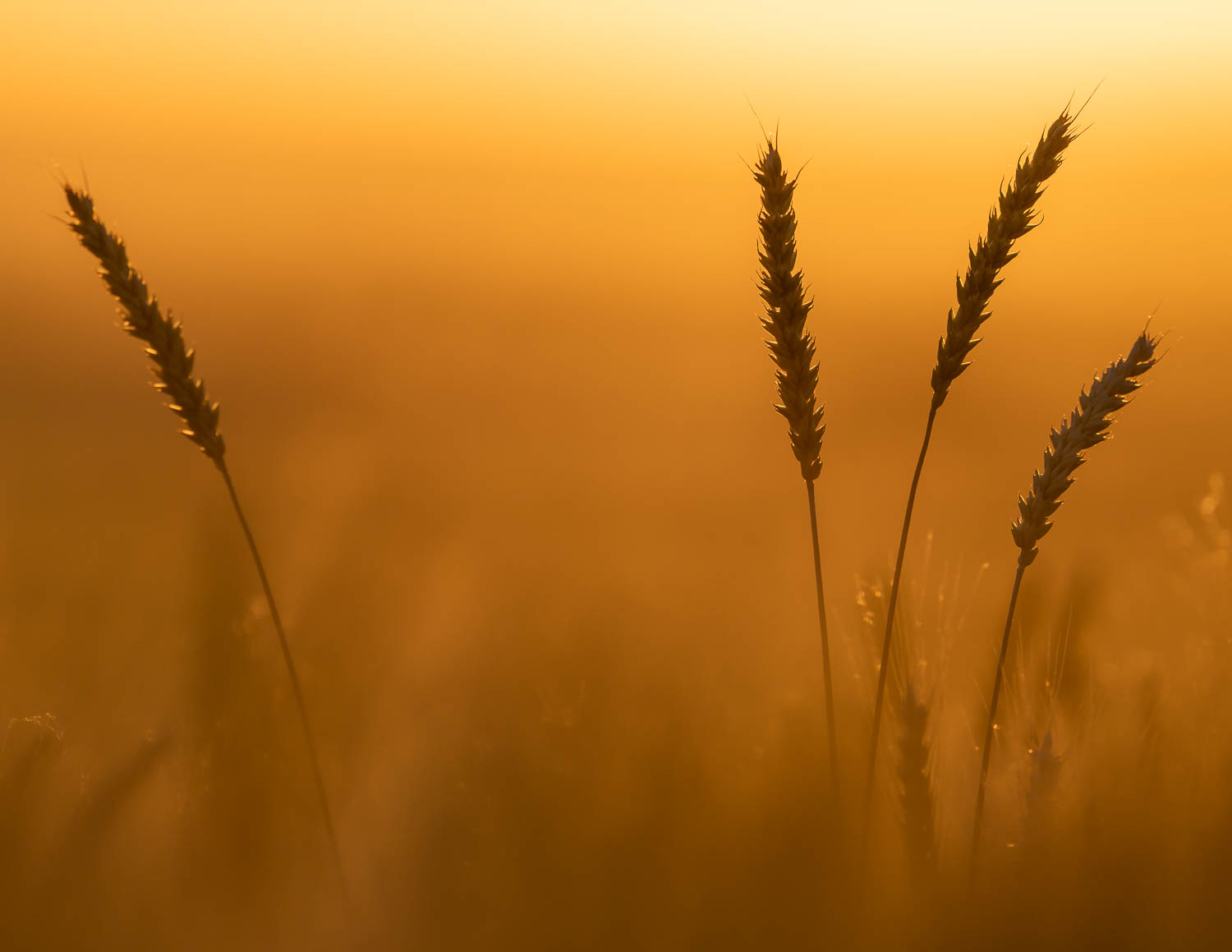
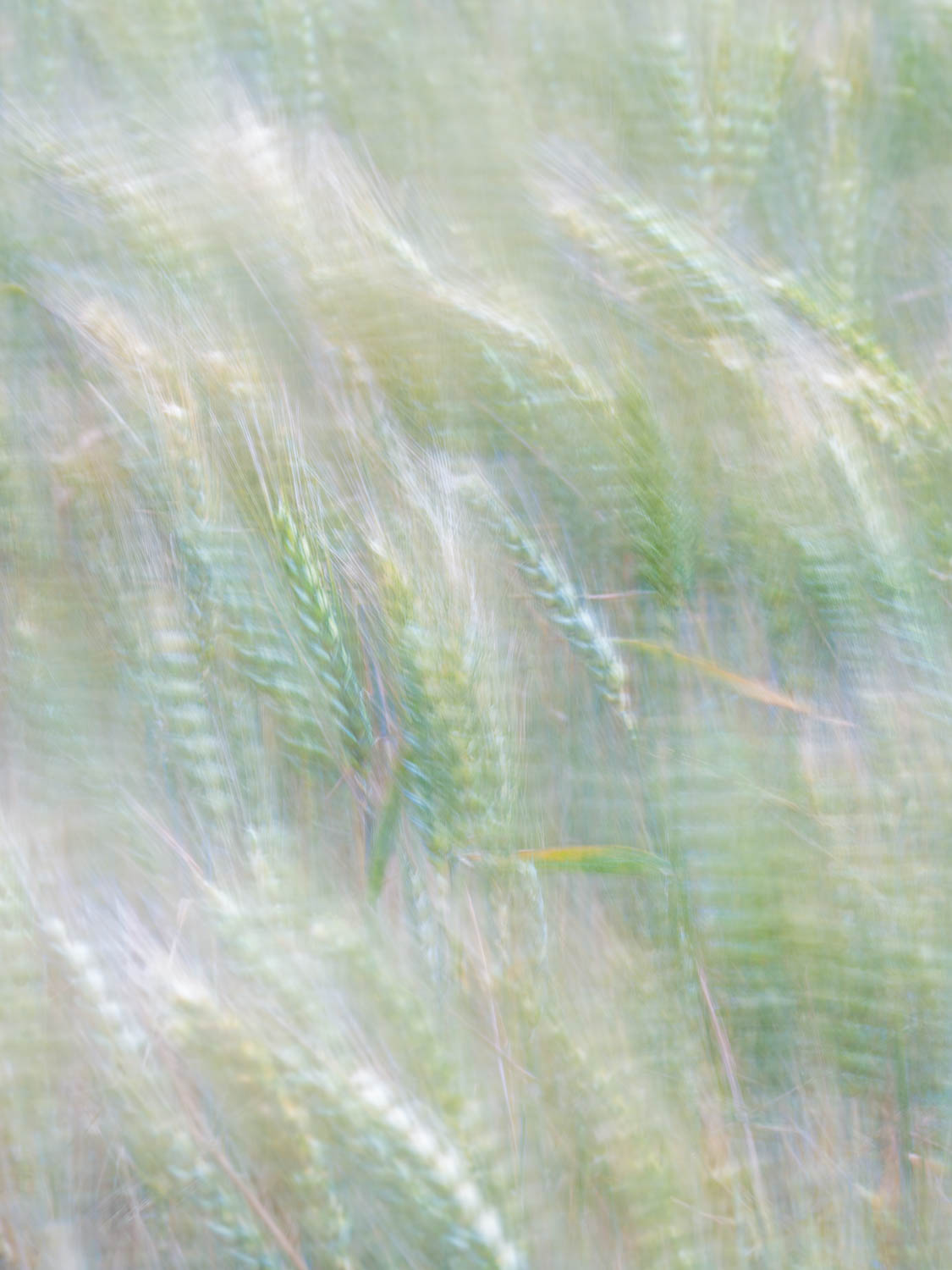
Every year I make it out to eastern Washington to explore the back roads and the old classics of the region referred to as Palouse. Following the theme of this year’s post, the images I liked the most were ones where I pushed the boundaries of what I typically shoot. While strong telephoto lenses are often used at Steptoe Butte to magnify the distant rolling hills, I don’t often reach for it when I’m out and about the back roads. But isolation is the name of the game with strong telephoto lenses and the backlit wheat as the sun warmed the sky just called for max millimeters. The next image is an experiment. I liked it enough to include, if nothing more than a gentle reminder that experimentation should be encouraged and nurtured as more unique images can often be born of such photographic play time. What was the experiment? Embracing the heavy winds which were making the wheat dance to and fro. I employed an ND filter to bring the shutter speed down to showcase the motion blur. I took quite a lot of photos. No single image quite captured what it looked like, so I stacked about 5-6 in Photoshop and merged them into one final frame.
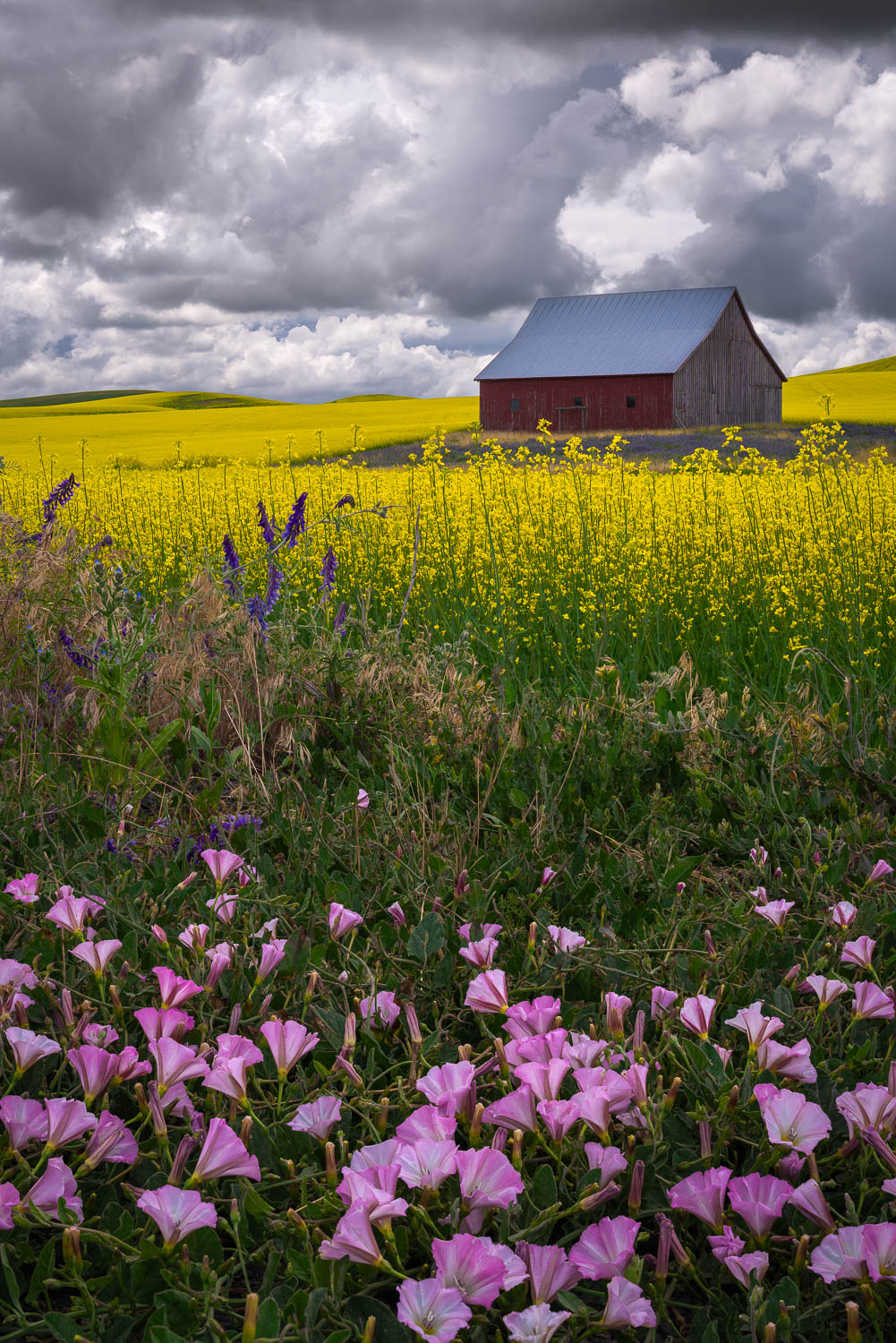
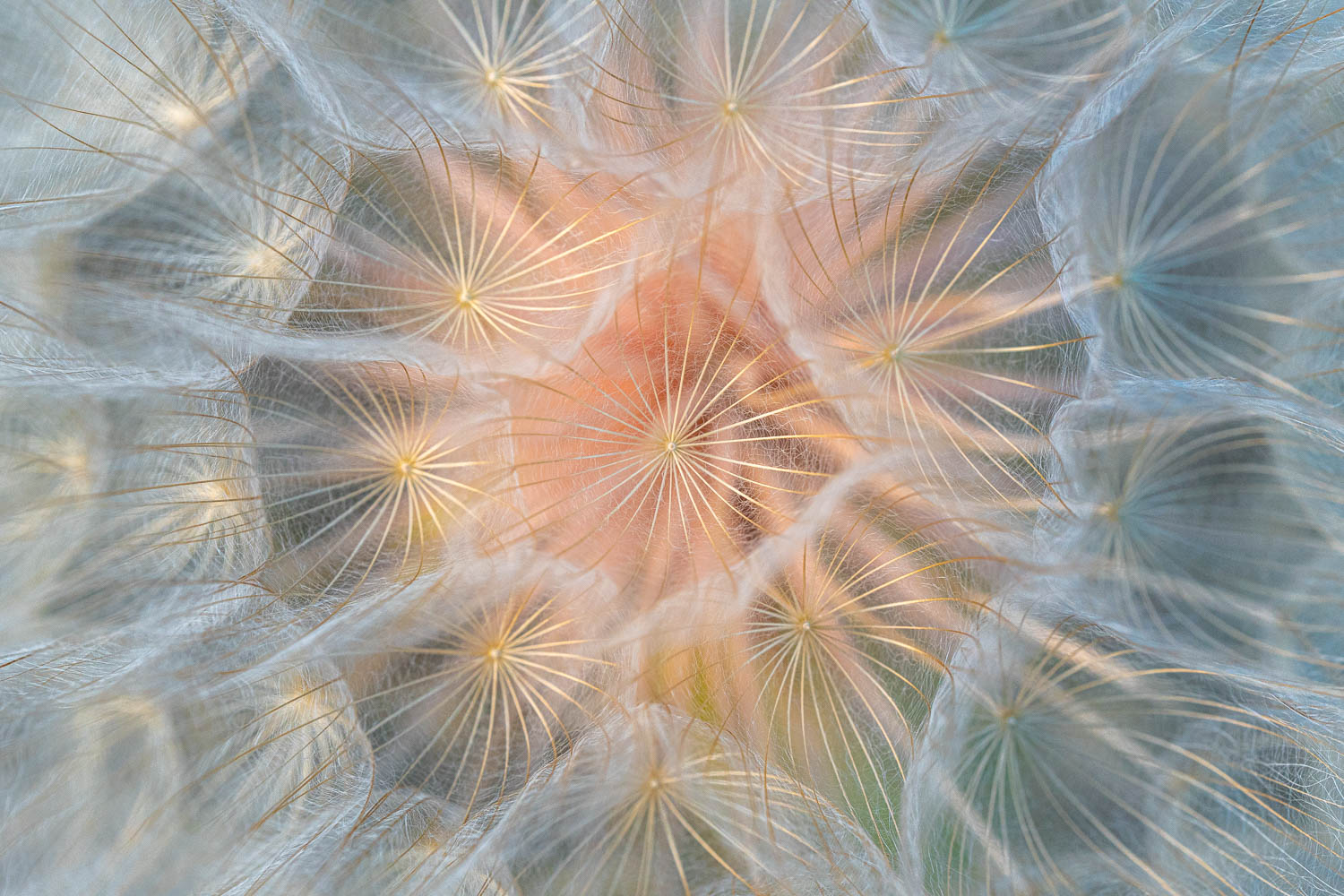
These next two images are more “traditional” for my style, but I really liked them. The red barn with morning glory (yes it’s an invasive weed) and field of golden canola with classic puffy Palouse clouds was a site to see. The fact that it was an exploratory mission on the last morning with a few clients made it all the more enjoyable. We had wrapped up sunrise at another location and we went driving looking for whatever we could find. It was that sense of freedom, free from expectation, and the pursuit of something just around the corner that I love. The best weather of the workshop being that morning also helped…a lot. The dandelion image is a revisit of an image I made many years ago on one of my first trips to Palouse. They are generally common enough to find, but not every year do I find an opportunity to photograph them. Another macro image to add to this year’s post and one I quite like.
Tahoma (Mount Rainier National Park)
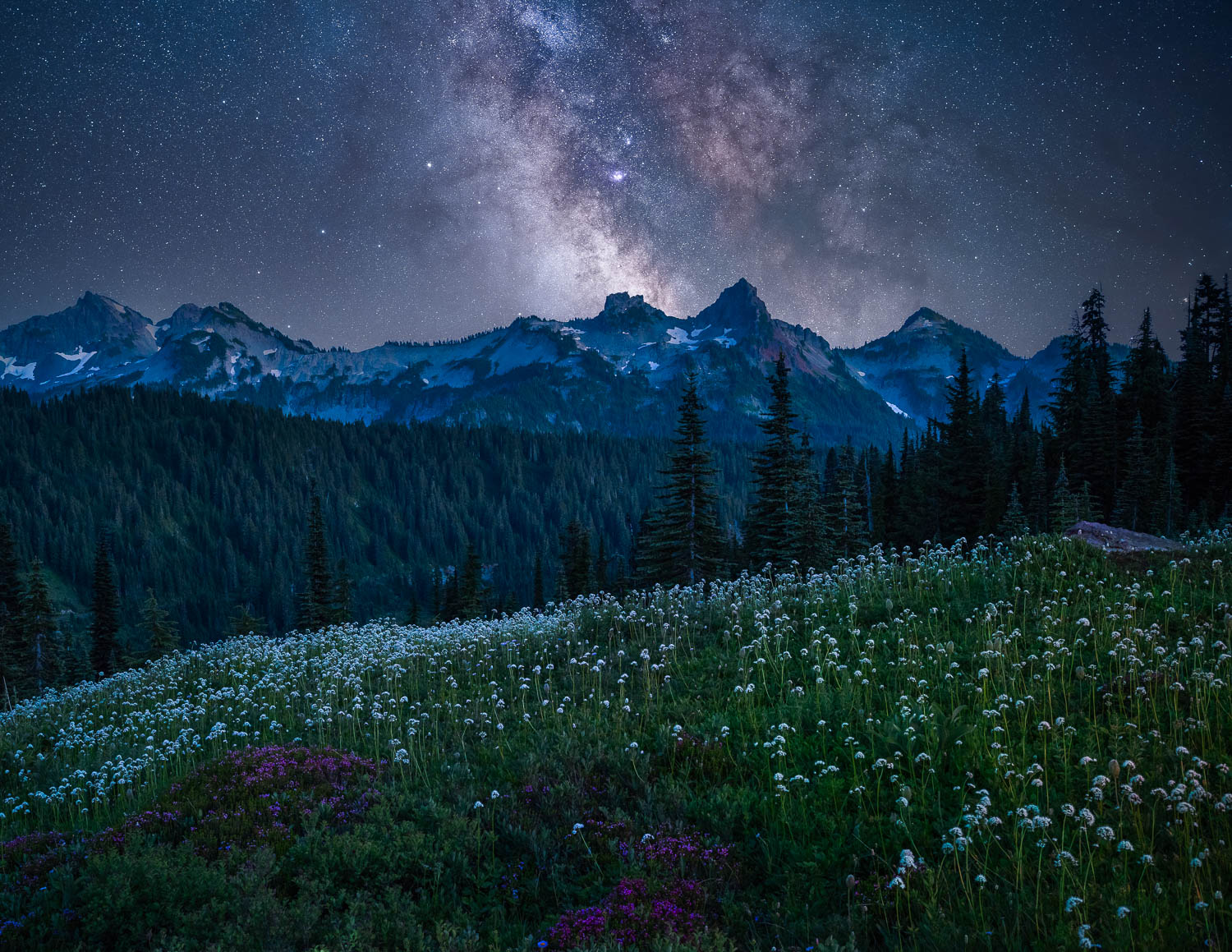
The summer of 2025 marked a busy time for me up at the mountain called Tahoma, but more commonly know as Mount Rainier National Park. I recently learned Peter Rainier, who the park was named after, never even visited the United States, let along Mount Rainier National Park. It was named by Captain George Vancouver in 1792 and Rainier was his friend. But as I was saying, I had the good fortune to spend a lot of time near and on the mountain. Between a multi-day private session and two full workshops, I spent almost three straight weeks guiding and photographing this special place. And the flowers were quite nice this year and the weather offered a variety of opportunities. This first milky way image over the Tatoosh mountains stood out for a couple reasons. One, it employed a focus stack at twilight and a composite blend with a sky that was as result of blending many frames for lower noise. 2025 was a year in which I spent more time learning new software, mainly Starry Landscape Stacker and Helicon Focus. Technical proficiency is important, yes, but I do like to emphasize that no one looks at an image in a gallery and says they’d buy it if only it had less noise. The moment, the light, the composition, the feeling are all more important than perfect technique. The other reason I included this image is normally I would wait to bring my group to the Sunrise side of the park to photograph the night sky. But weather forecasts were not looking good for that scenario, so we headed out the first night to capture this scene.
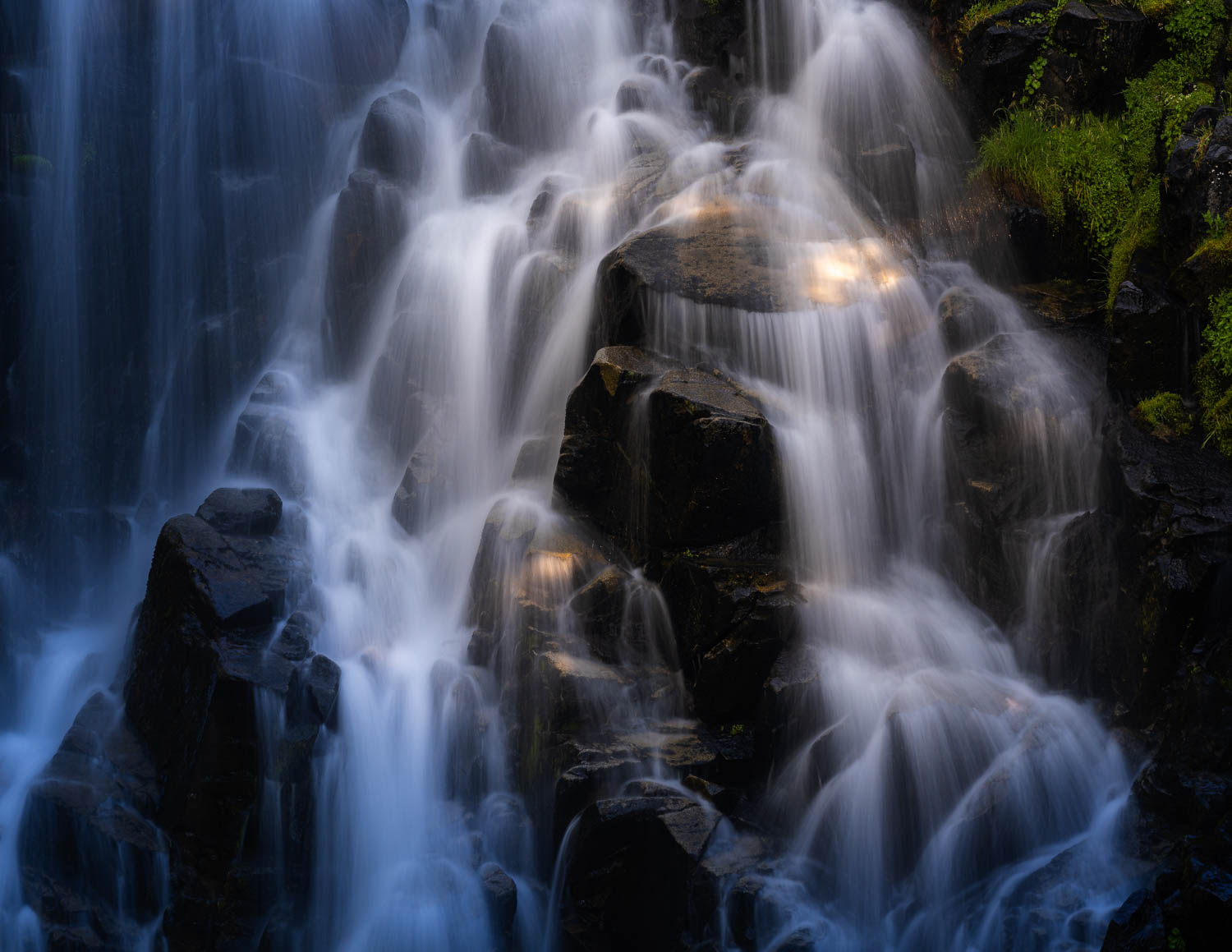
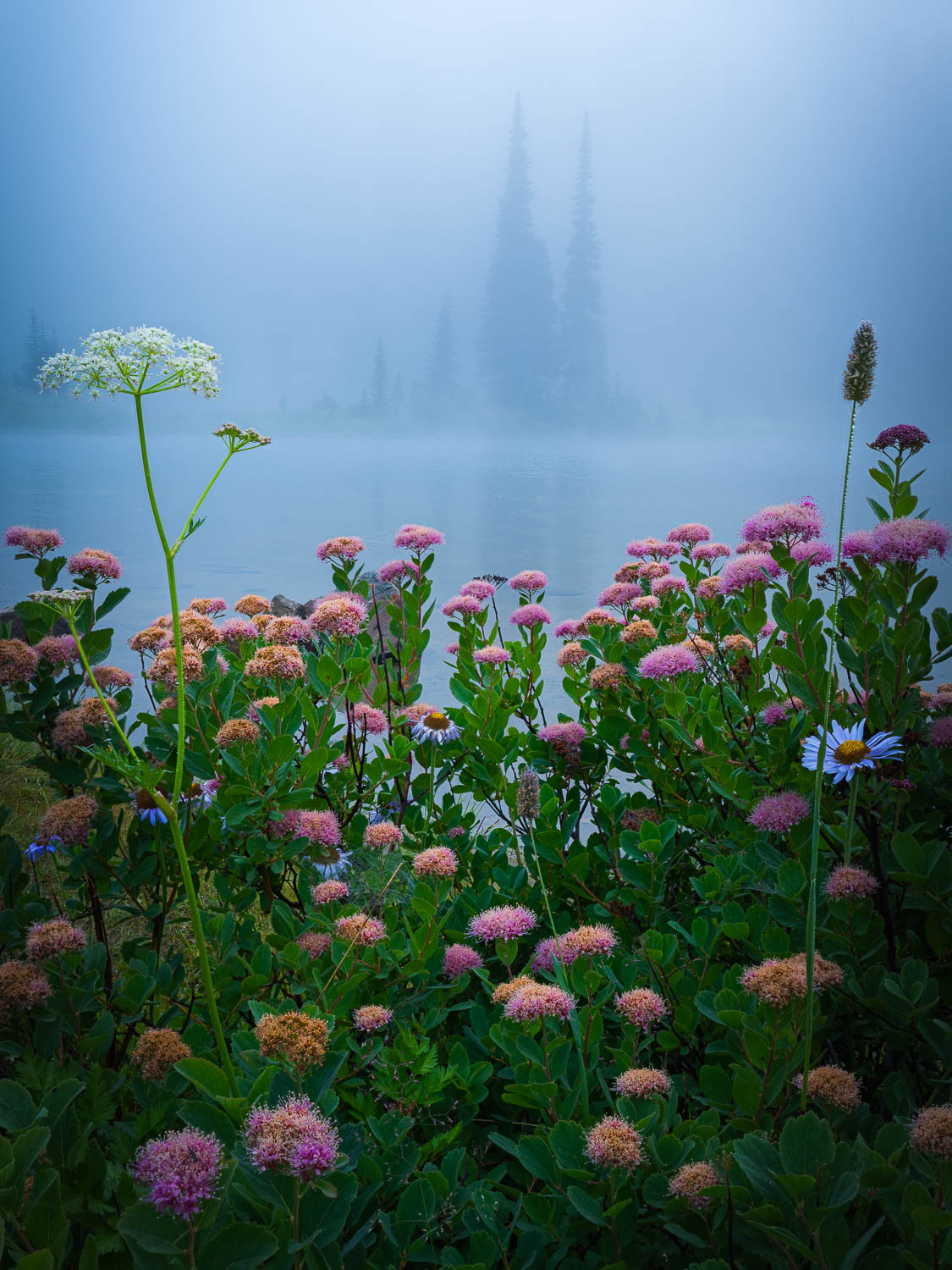
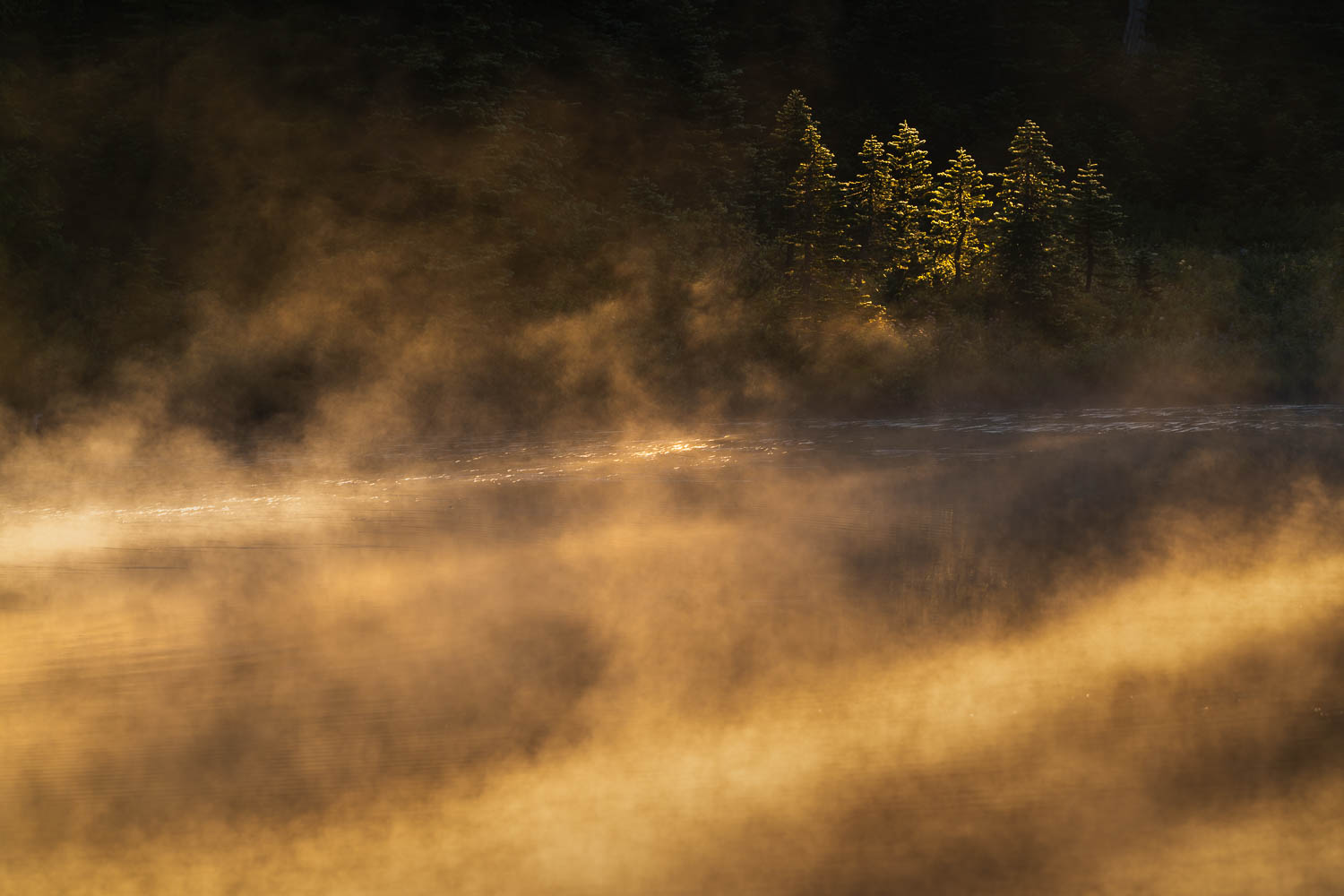
These next three images were all included as I searched for more intimate scenes. Early morning light filtering in to the upper cascades of the popular Myrtle Falls, dense low clouds diffusing the scenery at Tipsoo Lake, and lastly the first sunlight hitting rising mist off the lesser photographed lake at Reflection Lakes.
California Coast
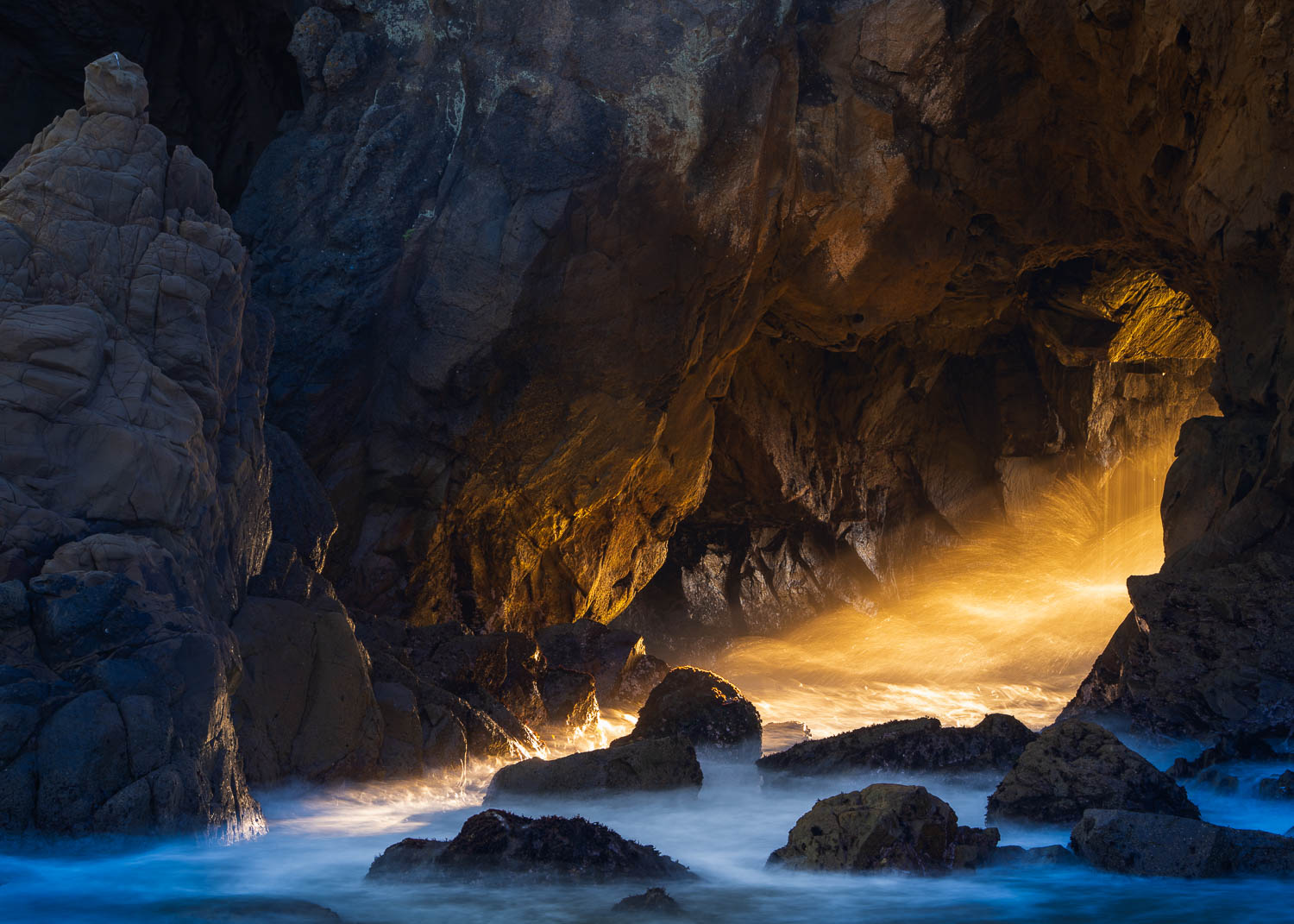
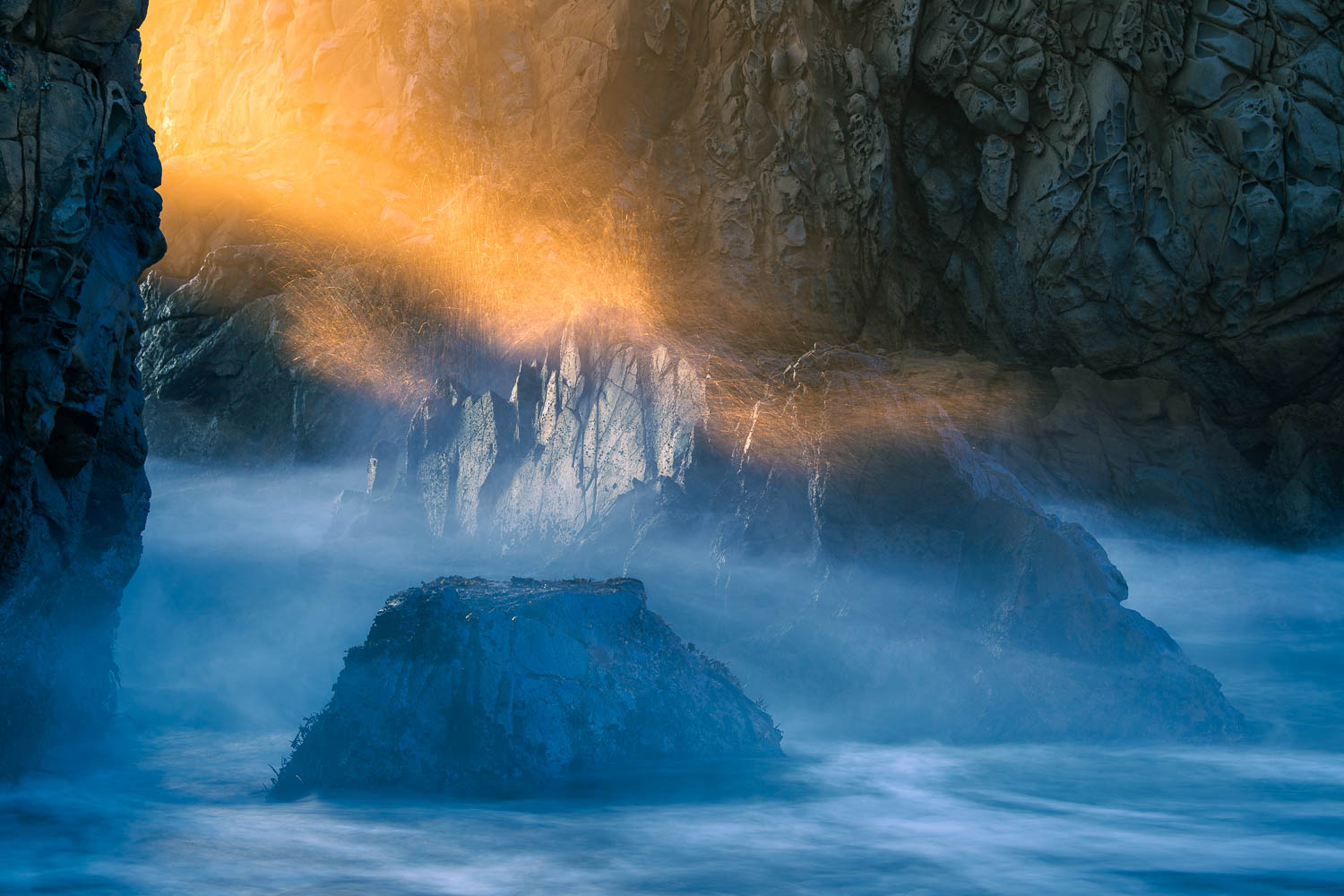
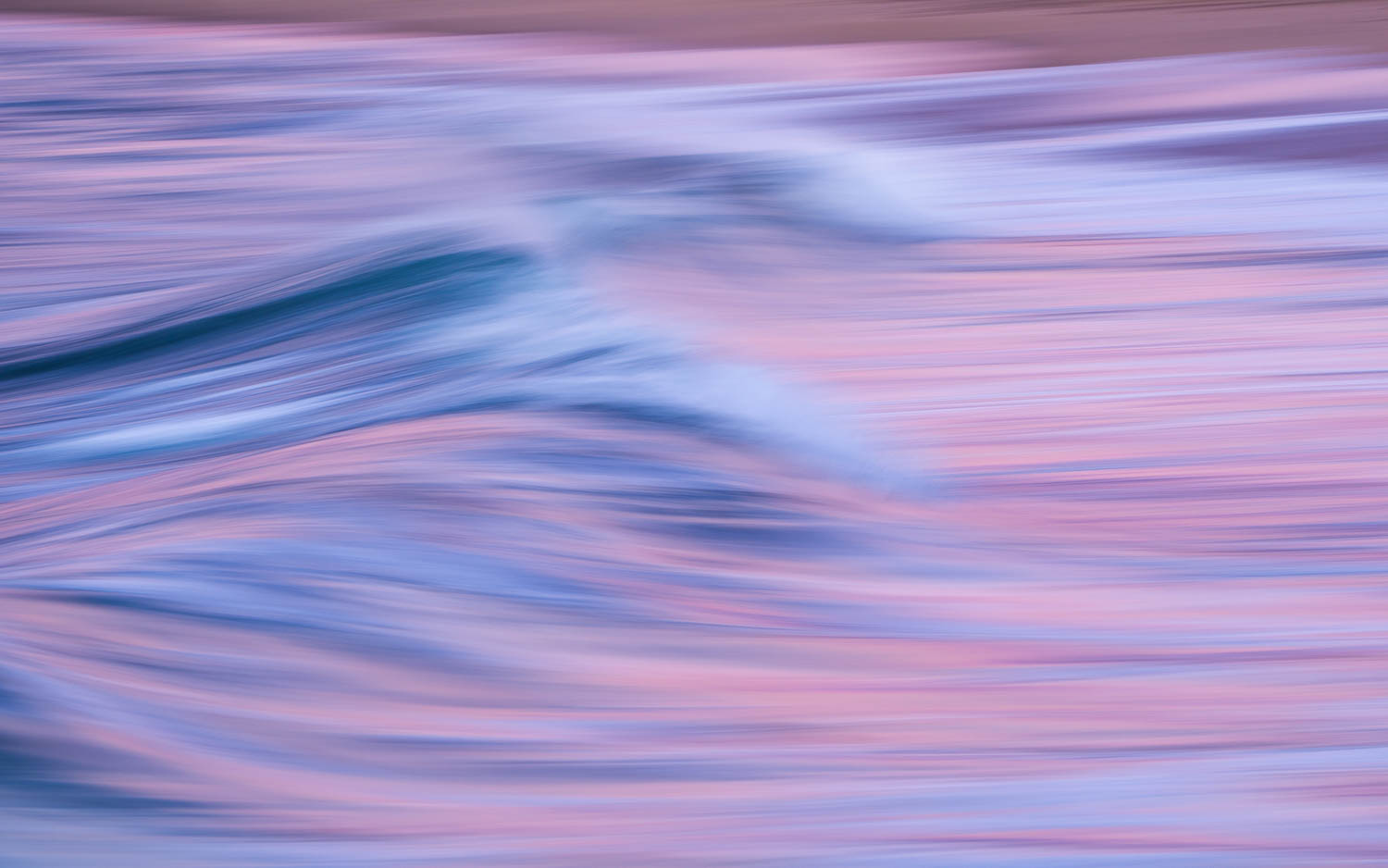
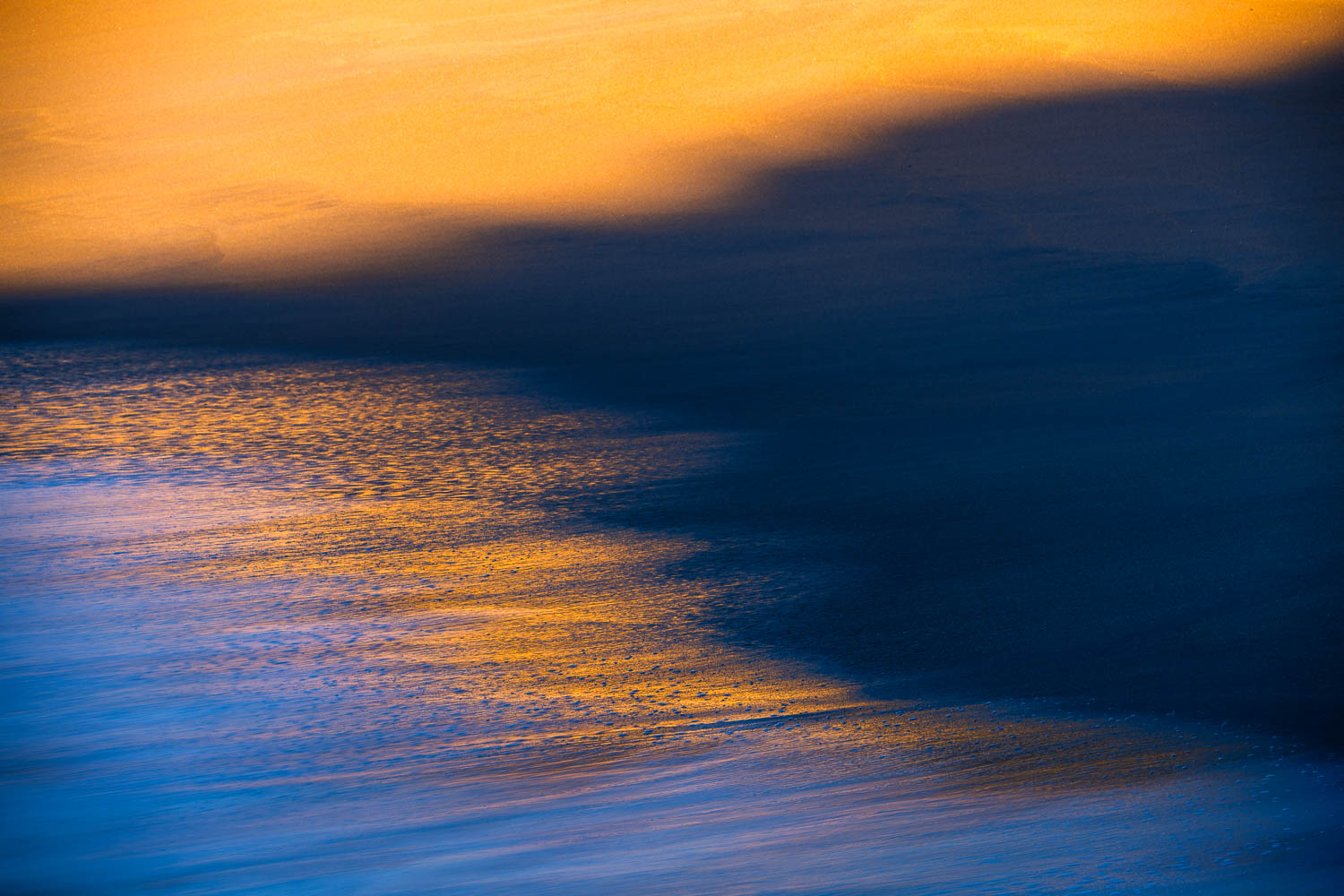
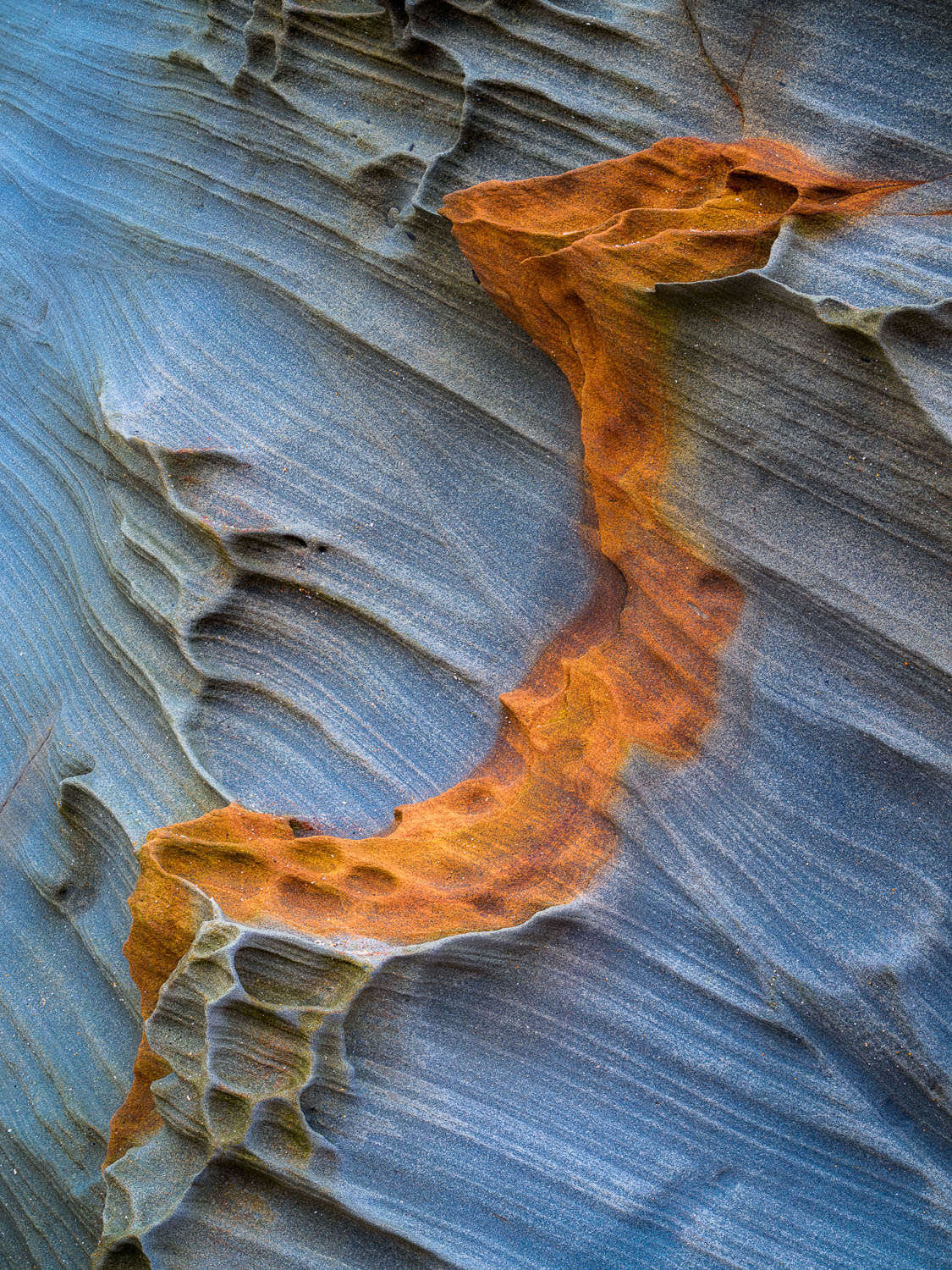
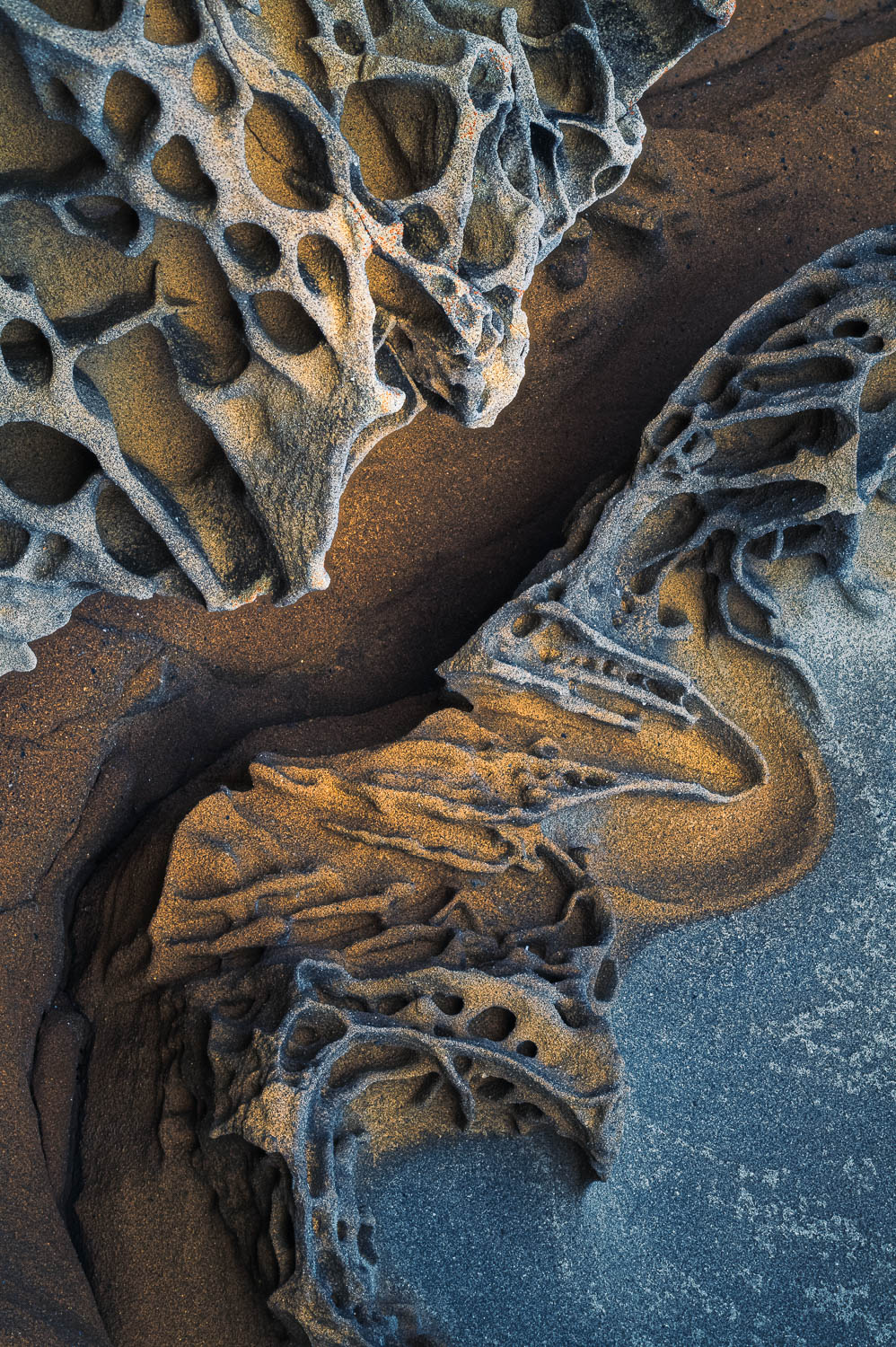
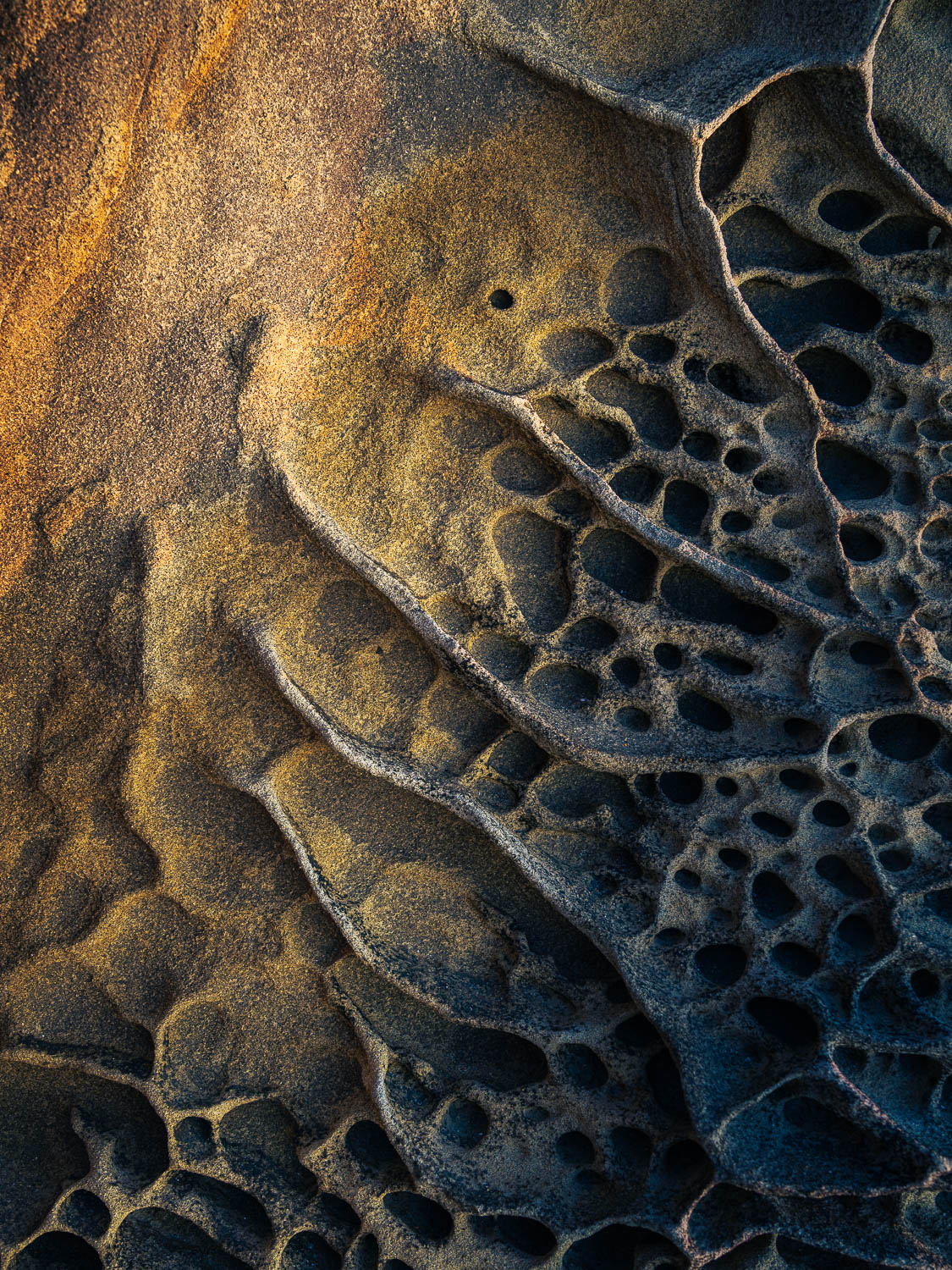
My time back “home” to the central California Coast was one of the highlights of 2025. I had a wonderful group workshop in which we made the most of the weather. A couple highlights from the Santa Cruz side were creating a new ICM wave image from the exact same location as where I created my first ever ICM image of waves back in 2009. And when the light changed, getting lost in the study of how direct light, shadow, and waves converged into the same scene. Down on the southern part of Monterey Bay, the highlight was the perfect mix of golden sunlight with energetic surf. The way waves would crash, splash, and be illuminated by the sun meant long exposures took on a unique feel. While the water in shadow had mostly soft textures, the few splashes lit by the sun, were more frozen in time. This phenomenon caught me off guard, which I love. Seeing it happen in this way makes me aware of the potential moving forward. While in the area, I visited one of my favorite locations, Bean Hollow, where two of these images were made. Exploring the tafoni rock formations under sunset light is just so relaxing. The following day I met fellow photographer Ian Gaston. While the workshop experienced mostly clear skies, the evening with Ian, the sunset blew up. Funny how that goes. Ian showed me a new (to me) beach full of unique rock formations. It definitely tickled the part of my brain that loves to explore something slightly familiar, but completely new at the same time.
I hope you enjoyed the images and commentary. Did you have any highlights for 2025? I’d love to hear them in the comments. Drop a link to your Best of 2025 if you put a post together.
Best to you all,
Jim Patterson
Leave a Reply
Want to join the discussion?Feel free to contribute!
You are sooooo talented!
Great images and stories.
Love this new 2025 collection. Especially the abstracts
Fantatsic Collection! I have always really enjoyed your photos and being a part of a few of your workshops.
Thank you so much for sharing the images and the experiences that went along with each. The panorama from the Devil’s Golf Course is outstanding. Have a great time in New Zealand!!!
Wonderful collection of images, Jim! I love how you explored different techniques (I’m a big fan of ICM and Mutiple Exposures) and you these images look great…esoecially love the pink/lavendar sand dunes….it looks to be in the same family as your pink waves ICM photo. Love the exploration of small scenes which I think are equally as beautiful as the “grand scenes”. Thanks so much for sharing your beautiful work and stories.